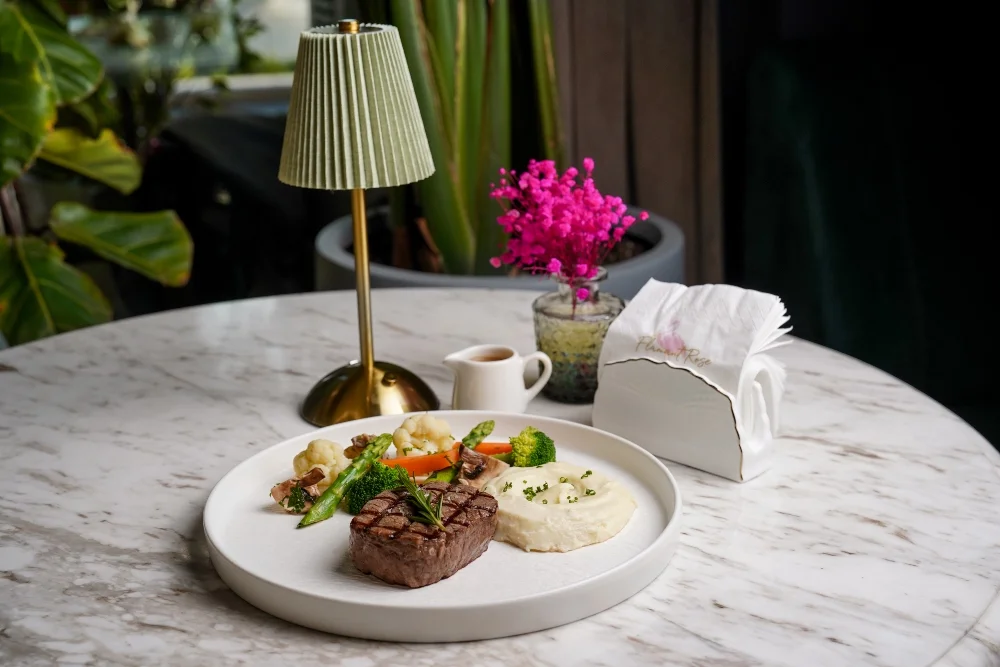

Persian cuisine is one of the best options for a family dinner in Dubai. Because it combines shareable portions, family-friendly flavors, menu variety and a welcoming dining atmosphere. It is not like cuisines that may be too spicy, highly individualized or limited in options. Persian food offers something for children, adults, seniors, vegetarians and meat lovers alike. Families can enjoy generous platters, grilled kebabs, saffron rice, traditional stews, fresh bread, and desserts. These meals are designed for communal dining. This guide explains why Persian cuisine remains a popular choice for family gatherings in Dubai. How it compares with other dining options, which dishes work best for groups. In this guide you will learn what to expect from the dining experience and how much a typical family meal may cost.
How Does Persian Cuisine Compare to Other Popular Cuisines for Family Dining?
Here is a quick comparison across the cuisines families in Dubai typically consider for group dinners:
| Feature | Persian | Indian | Italian | Arabic |
|---|---|---|---|---|
| Sharing-style portions | Yes | Partial | Partial | Yes |
| Suitable for children | Yes | Varies (spice levels) | Yes | Yes |
| Vegetarian options | Good | Excellent | Good | Moderate |
| Seafood availability | Yes | Yes | Yes | Limited |
| Grilled meat variety | Excellent | Good | Moderate | Excellent |
| Rice-based mains | Yes | Yes | No | Yes |
| Average portion size | Large | Medium | Medium | Large |
| Cultural dining atmosphere | Strong | Strong | Moderate | Strong |
Persian cuisine hits a sweet spot. It combines variety with a sharing format and keeps the flavor profile accessible across age groups.
What Makes Persian Flavors Different from Other Middle Eastern Cuisines?
Here’s something people don’t always expect. Persian food can be full of flavor without being spicy. You notice it the moment the dishes reach the table. The scent of saffron rises from the rice. Fresh herbs show up in the stews. Nothing feels heavy handed. Take Ghormeh Sabzi. Some guests aren’t sure about it at first. Then a few bites later, they’re asking what gives it that deep, comforting taste. Fesenjan gets a similar reaction. The balance of walnut and pomegranate tends to catch people off guard, in a good way.
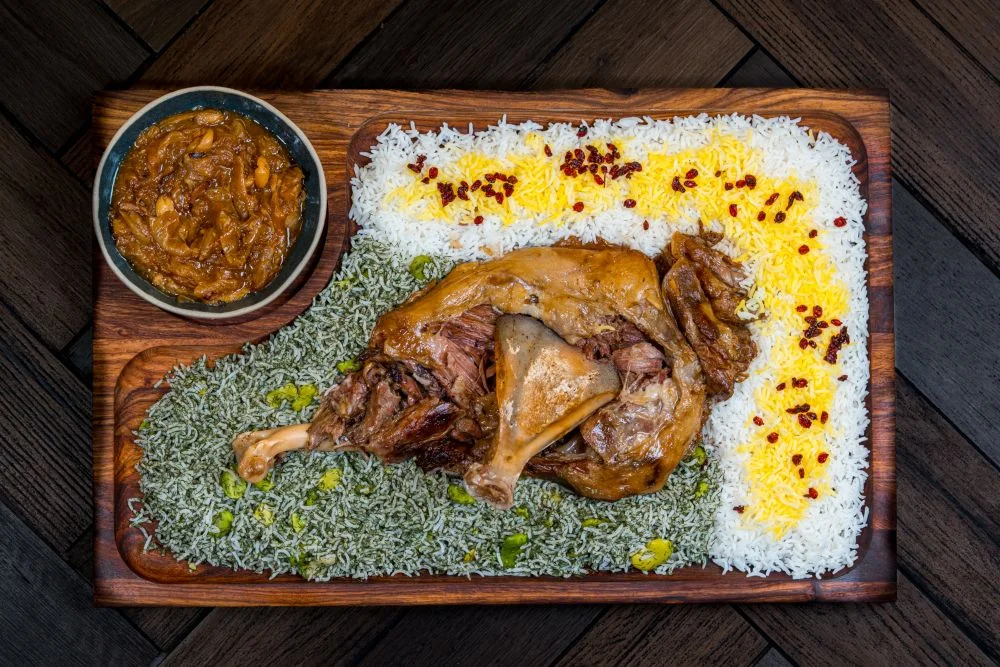
Zereshk Polo Morgh is another one. The little barberries add a gentle tartness that brightens every forkful. Simple detail. Makes a difference. Honestly, that’s what I enjoy most about Persian cooking. The flavors unfold slowly. No blast of heat. No overpowering seasoning. Just food that keeps people reaching for another bite without really thinking about it.
Which Persian Dishes Work Best for a Group Dinner Setting?
Not every dish travels well across a big table. These do:
| Dish | Type | Why It Works for Groups |
|---|---|---|
| Mixed Kebab Platter | Grilled Meat | Multiple protein options in one order |
| Zereshk Polo Morgh | Rice + Chicken | Mild, aromatic, kid-friendly |
| Ghormeh Sabzi | Stew | Rich, hearty, pairs well with rice |
| Fesenjan | Stew (Chicken/Duck) | Unique flavor, a crowd pleaser |
| Mast-o-Khiar | Appetizer | Yogurt dip, refreshing starter |
| Sangak or Lavash Bread | Bread | Comes in large sheets, meant for sharing |
| Shirazi Salad | Salad | Light, fresh, works alongside heavier mains |
| Bastani (Saffron Ice Cream) | Dessert | Distinct, light finish for the table |
A typical Persian family table in Dubai will have at least two of these running at once. Order two or three mains, a couple of starters and bread. Let people serve themselves.
You May Also Like: Why Dining with a View Attracts Tourists to Dubai Creek Harbour
Is Persian Cuisine a Good Fit for Families With Picky Eaters or Dietary Needs?
Short answer: yes, with a little menu planning.
For picky eaters: Grilled chicken or lamb kebabs are almost always a safe bet. Plain rice with butter is another option. Persian menus tend to have something simple alongside the more adventurous dishes.
For vegetarians: Dishes like Ash Reshteh, Mirza Ghasemi and Kuku Sabzi are fully plant-based and genuinely satisfying, not afterthoughts.
For those avoiding gluten: Most Persian rice dishes and stews are naturally gluten-free. Worth confirming with the restaurant, but the base ingredients are clean.
For older guests: Softer stews and slow-cooked meats like Baghali Polo Ba Mahiche (lamb shank with fava bean rice) work well. Nothing too chewy or difficult to manage.
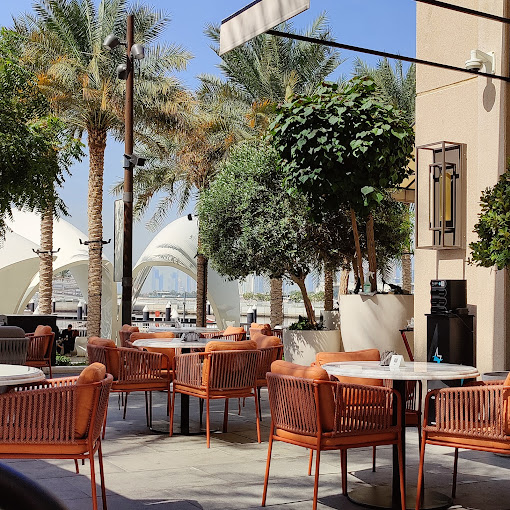
What Kind of Atmosphere Should You Expect at a Persian Restaurant in Dubai?
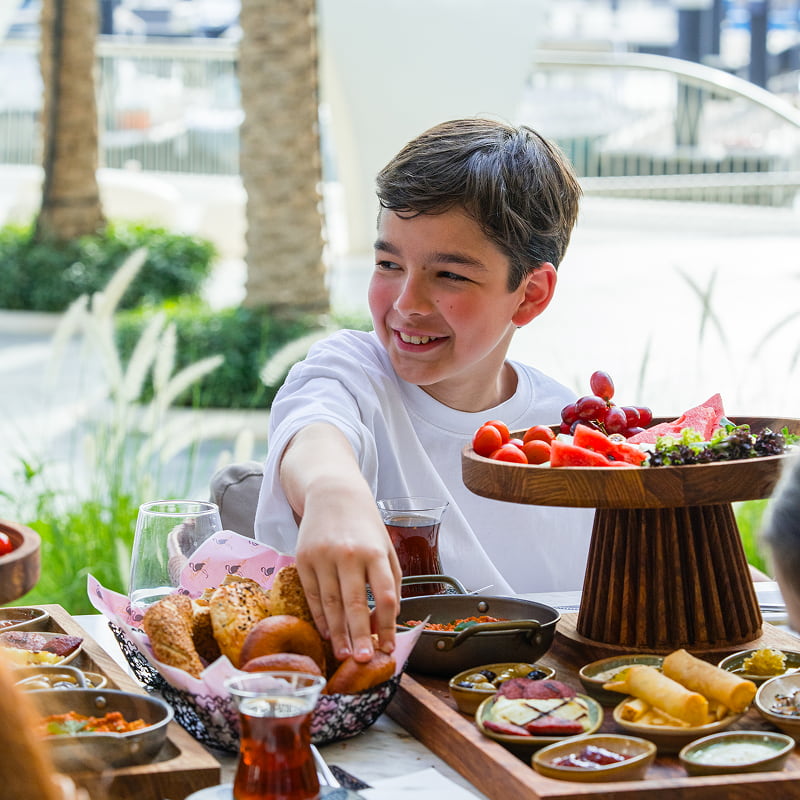
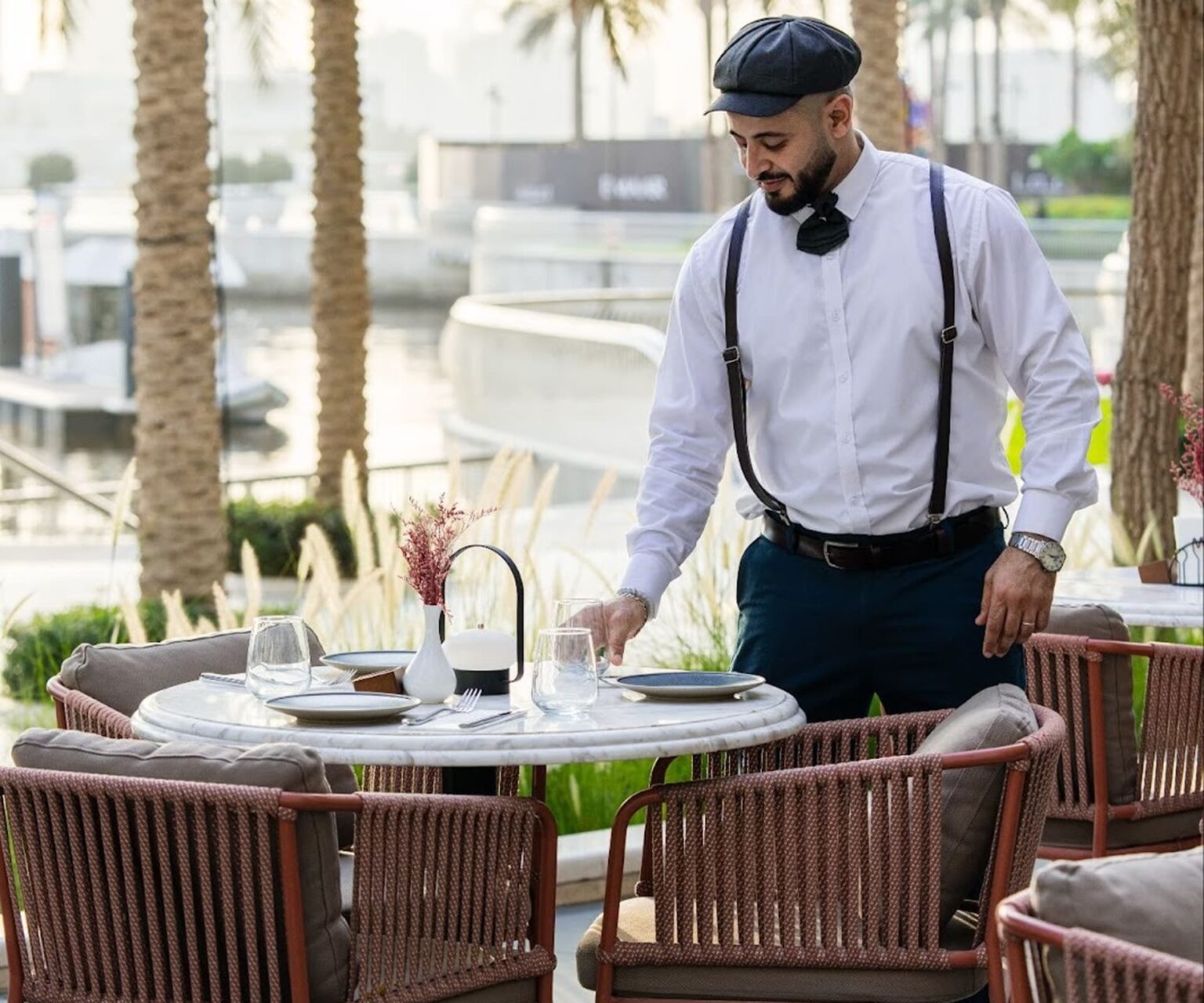
A few minutes after sitting down, you’ll usually notice the pace feels different. Nobody is rushing through the meal. Tea arrives. Conversations get louder. Someone at the next table is probably sharing a large platter with family. I remember watching a birthday gathering at a Persian restaurant in Dubai where nobody seemed interested in leaving, even after the plates had been cleared. The food was finished. The tea kept coming. People stayed because they were enjoying each other’s company.
That’s something Persian restaurants tend to do well. They create space for people to sit, talk, and take their time. The crowd tells its own story. On one visit you’ll see families celebrating an anniversary. On another, a group gathered for Eid dinner. Regular guests often know exactly what they’re ordering before they open the menu. To me, that’s usually a good sign. Restaurants don’t build that kind of loyal following unless they’re doing something right.
How Much Does a Persian Family Dinner in Dubai Typically Cost?
Pricing varies by venue and order size. Here is a general ballpark:
| Setting | Estimated Cost Per Person (AED) | Includes |
|---|---|---|
| Casual Persian eatery | 60 to 100 | Main + bread + drink |
| Mid-range Persian restaurant | 100 to 180 | Starters + mains + dessert |
| Upscale Persian dining | 180 to 300+ | Full course + premium drinks |
| Group sharing platter (4-6 pax) | 250 to 450 total | Mixed kebabs + rice + sides |
For a family of four to six, a mid-range Persian restaurant typically lands between AED 400 and AED 700 total. That includes a proper spread without cutting corners.
Top Reasons Families in Dubai Keep Coming Back to Persian Restaurants
It is not just the food. A few things create repeat visits:
- Consistency – Persian cooking has defined recipes with specific ratios. When a restaurant gets it right, it stays right.
- Value for money – Portions are generous. Leftovers are common. You rarely leave hungry.
- The bread – Freshly baked Sangak or Lavash straight from the oven is something people genuinely remember.
- The rice – Tahdig, the crispy rice crust at the bottom of the pot, is a small moment of joy at every table.
- The pace – Persian dining is unhurried by nature. Nobody is rushing you out for the next booking.
Book Your Family Table at a Persian Restaurant in Dubai Today
Good family dinners do not happen by accident. They need the right food, space and a kitchen that takes both seriously. Persian cuisine checks those boxes. Varied menu. Sharing format. Flavors that work for children and adults. An atmosphere that fits celebrations without being stiff. If you are planning a family gathering in Dubai, whether for a special occasion or just a good Friday dinner, a Persian restaurant is worth the reservation.
Contact us to reserve your table and plan your family dinner experience. We will help you choose the right dishes for your group.
You May Also Like: How Ambience Enhances Your Dining Experience in Waterfront Restaurants
FAQs
1. What is the best Persian dish to order for a large family group in Dubai?
Mixed kebab platter, no question. Chicken, lamb, koobideh all come together so nobody is waiting on separate orders. Throw in saffron rice and a yogurt dip for the table. If you want something beyond the grill, Ghormeh Sabzi tends to go fast once people try it the first time. Order more rice than you think you need. You will run out before the meat does.
2. Is Persian food spicy? Can children eat it comfortably?
Zero heat, which catches people off guard. The flavor comes from saffron, slow cooking, and dried fruits, not chilies. Kids tend to eat well at Persian tables. Zereshk Polo Morgh is usually the safest pick, rice with chicken, slightly sweet from the barberries. Koobideh kebab is even simpler if you have a fussy one in the group. Never had a child push that plate away.
3. Are there vegetarian options at Persian restaurants in Dubai?
Quite a few, and they are not the sad side-salad kind. Ash Reshteh is a thick herb soup that actually fills you up. Mirza Ghasemi, the smoky eggplant dish, is worth ordering even if meat is on the table. Kuku Sabzi is a dense herb frittata, usually comes as a starter. Four or five solid choices on most menus. Enough to build a proper meal around without touching the kebab section.
4. How far in advance should I book a Persian restaurant for a family dinner in Dubai?
Weeknights, same day is fine usually. Friday or Saturday with a group, two to three days minimum. Eid is its own situation, a week ahead and even then confirm the day before. Big tables above eight people need extra time regardless of the day, the restaurant has to arrange seating and sometimes prep. Do not leave it to the morning of and expect a good spot.
5. What makes Persian cuisine different from Arabic or Lebanese food in Dubai?
The rice is the biggest tell. Persian meals are built around it in a way Arabic food is not. Tahdig, the crispy bottom crust, is something people genuinely look forward to, not just a side. The flavor base is completely different too. Lebanese kitchens use a lot of za’atar and tahini. Persian cooking goes toward saffron, pomegranate, dried limes, and herbs like fenugreek and dill. You can eat both in the same week and feel like you visited two different countries.