
Many people in Dubai are familiar with kebabs and saffron rice, but Iranian food offers much more than these popular staples. If you have ever searched for Iranian food and wondered what to expect, the answer is a cuisine rich in culture, depth, and tradition.
From the structure of a meal to the way it’s shared, Iranian food invites you into a unique culinary world that celebrates balance, generosity, and care.
This blog explores the key elements that define Iranian cuisine, what you can expect from an Iranian food menu, and how dining at places like Le Flamant Rose in Dubai offers more than just great flavour; it offers a cultural experience worth remembering.
What Makes Iranian Food in Dubai Unique
Iranian food is built on a foundation of balance. You’ll often find sweet, sour, and savoury notes in the same dish, with textures that contrast and complement one another. Rather than relying on spice or heat, Iranian dishes lean heavily on herbs, dried fruits, nuts, and aromatics like saffron, turmeric, and rosewater.
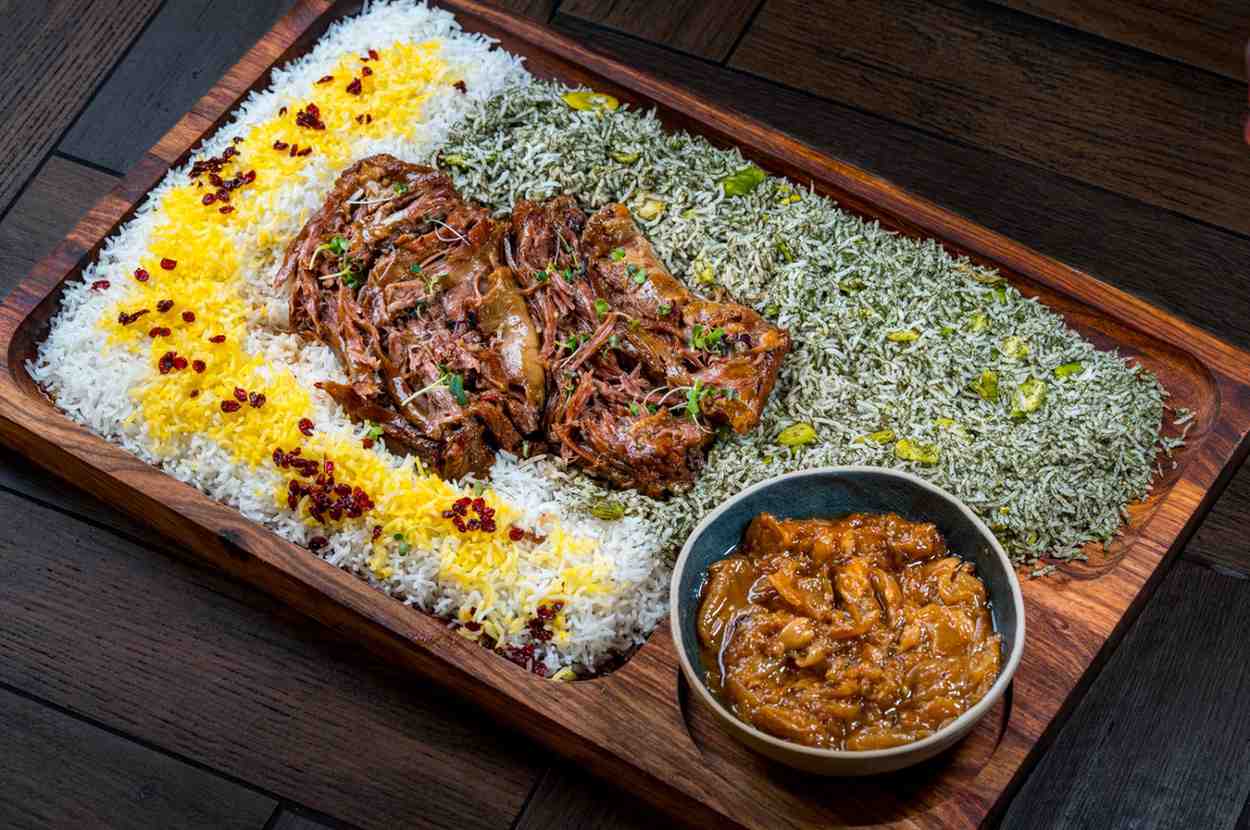
Rice is a centrepiece in most meals, steamed carefully until light and fluffy. Stews, or khoresh, are simmered for hours, often made with herbs, legumes, and cuts of meat designed to absorb flavour slowly.
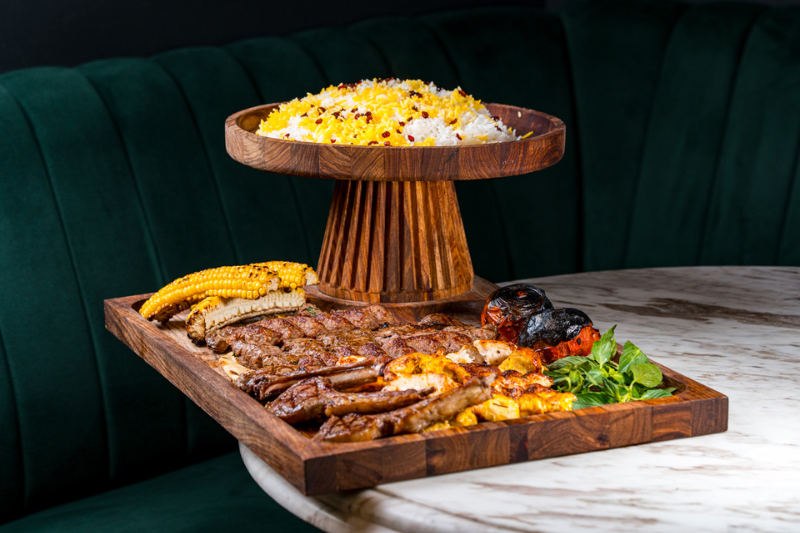
Grilled meats are popular too, but they are almost always served with rice and vegetables, creating a complete, balanced plate. The result is food that is complex but not overwhelming. Each dish has a purpose, and together, they create a dining experience that feels both comforting and intentional.
Exploring the Iranian Food Menu in Dubai
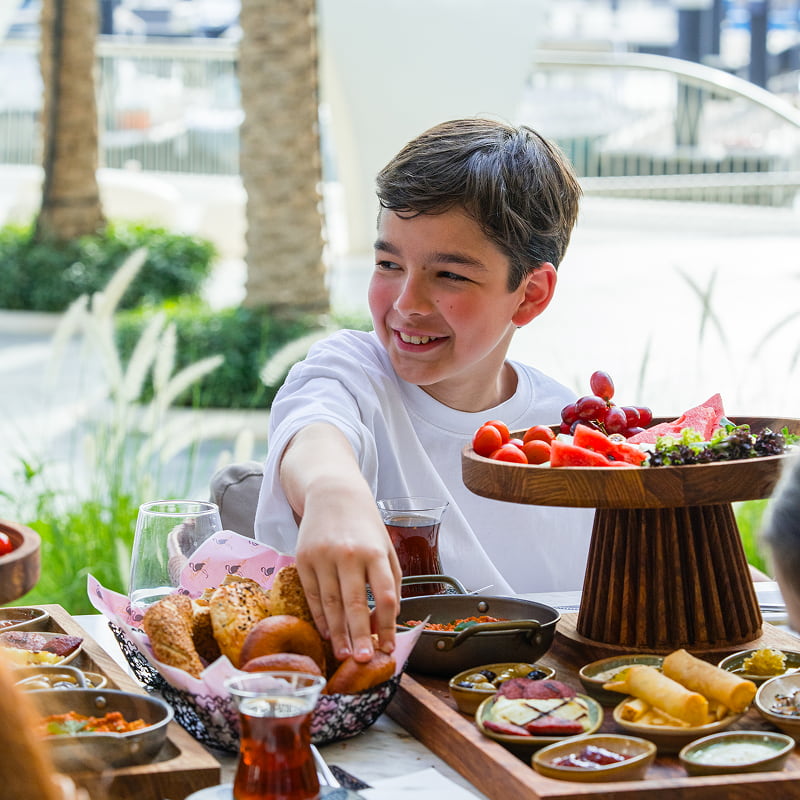
A complete Iranian menu starts with more than meat and rice, think warm bread, creamy dips like mast-o-khiar, and roasted eggplant. Served with herbs and cheese, it encourages a slow, shared meal.
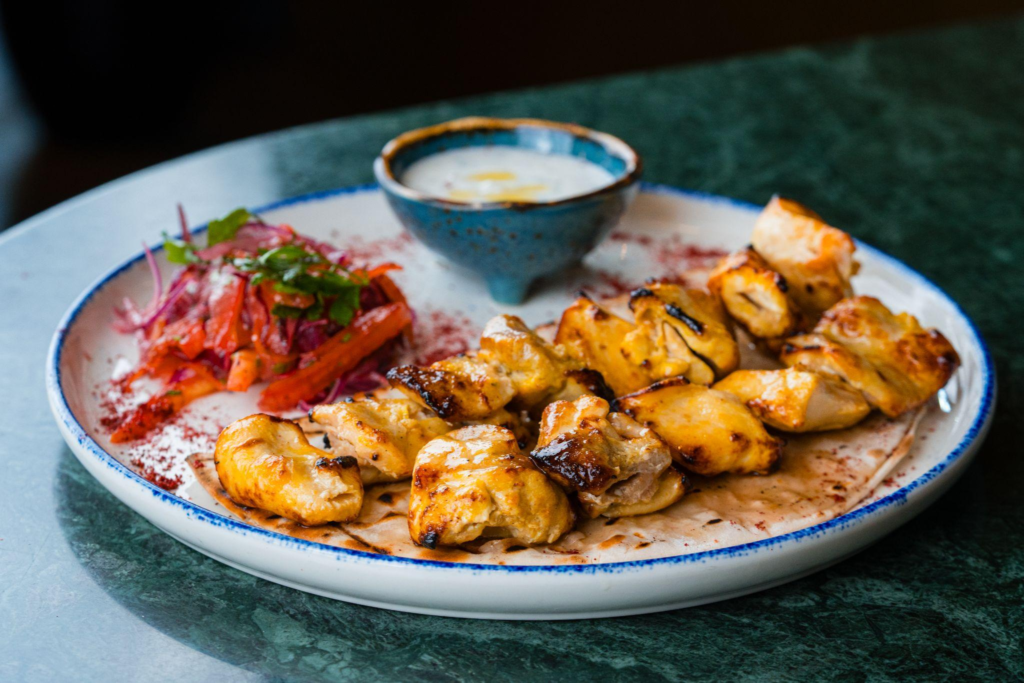
Mains often feature different styles of rice: chelo (plain steamed), polo (mixed with ingredients like dill, lima beans, or barberries), and are always served with stews or kebabs. Koobideh is a favourite, made with ground lamb or beef, while joojeh kebab is marinated chicken grilled to perfection.
Vegetarian options are also prominent. Herb-heavy stews, yogurt-based dishes, and lentil-rich soups make Iranian famous food surprisingly versatile for all types of diners. And of course, no meal ends without tea that is steeped strong, often served with rock sugar or dates.
Famous Iranian Dishes You Should Try in Dubai
Some dishes have earned their place as famous Iranian food, not just in Dubai but around the world. Tahdig, the crisp, golden rice crust from the bottom of the pot, is perhaps one of the most loved. It’s served like a delicacy and often disappears before anything else.
Another must-try is fesenjan, a stew made with pomegranate molasses and ground walnuts. It’s sweet, tangy, and deeply comforting. Ghormeh sabzi, another beloved dish, is a herb-based stew featuring fenugreek, parsley, and dried limes. Its bold, green profile is unmistakable.Zereshk polo, made with barberries and saffron rice, adds a sour-sweet contrast to grilled meats. These aren’t just dishes; they are cultural markers passed down from generation to generation. Eating them is as much about flavour as it is about memory and tradition.
The Rituals and Traditions Behind Every Meal
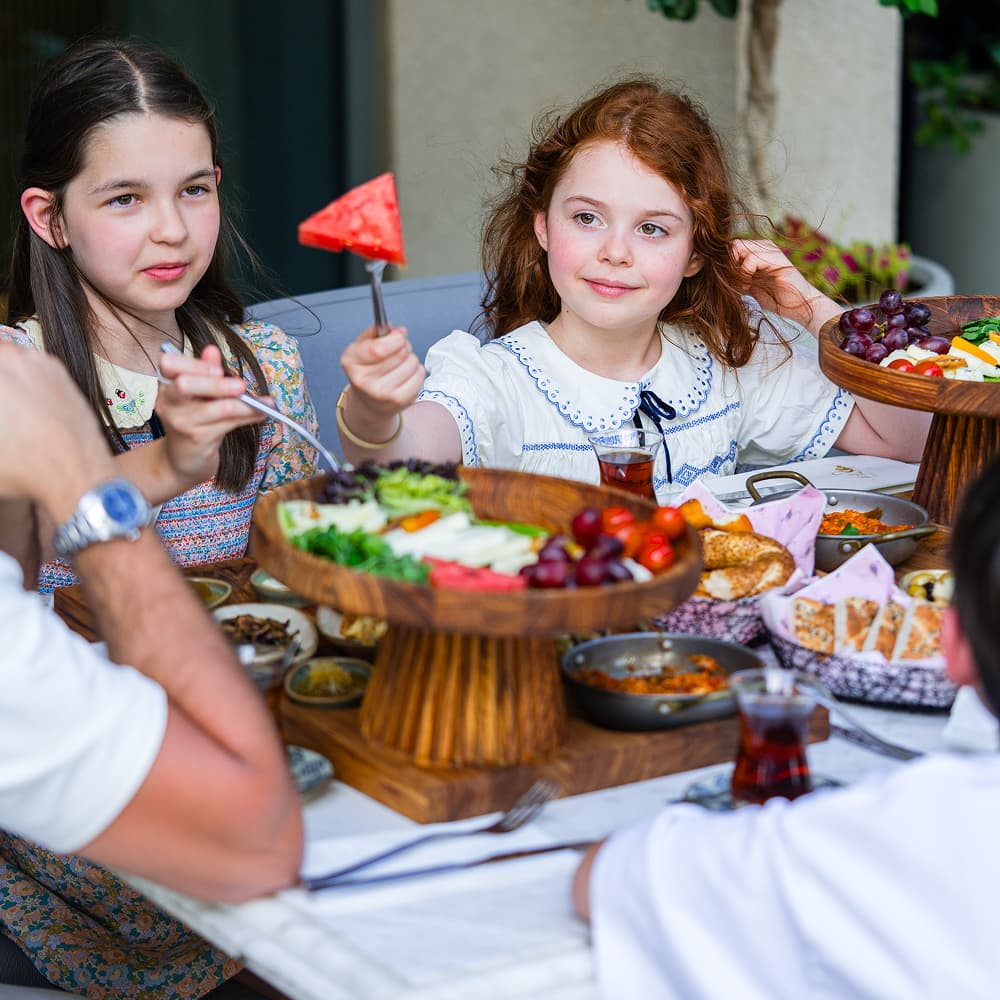
Dining in Iranian culture is never rushed. It’s a time to pause, connect, and share. Meals often begin with a table set with fresh herbs, bread, walnuts, and cheese, known as sabzi khordan, a gesture that invites guests to settle in and feel at home.
Bread is torn by hand and shared openly, while dishes are passed around with intention. Offering others the best portion is usually expected. These quiet, thoughtful customs reflect the deeper values of respect, generosity, and community.
Iranian meals are social events, often lasting hours with stories, laughter, and second servings. Even after the main course, strong tea with sweets or dried fruit continues the warm, shared experience.
Some meals carry symbolic meaning, like ash-e reshteh during Nowruz or sabzi polo served on the eve of important holidays. These dishes mark more than dates on a calendar; they represent blessings, prosperity, and remembrance. In every bite, the past and present come together around the table.
Why Iranian Food in Dubai Feels Right at Home
The growing demand for Iranian food Dubai reflects how well the cuisine fits the city’s cultural landscape. Dubai’s population is diverse, curious, and open to authentic dining experiences.
That’s why Iranian restaurants are thriving, especially in areas where people seek meaningful meals with real flavour. Iranian food near me also fits naturally with the climate. The fresh herbs, yogurt dishes, and slow-cooked stews offer balance and nourishment, ideal for long days and warm evenings.
Add to that Dubai’s appreciation for high-quality ingredients and excellent service, and it becomes clear why diners are eager to find the best Iranian food in Dubai.
At places like Le Flamant Rose, authenticity is not compromised. Every dish reflects careful preparation, traditional techniques, and a respect for the cuisine’s origin, making the experience memorable for first-time diners and regulars alike.
Finding the Best Iranian Food in Dubai
So how do you recognise the best Iranian food Dubai can offer? It starts with the rice. High-quality Iranian cuisine treats rice as a centrepiece, not a side. Look for long grains, fragrant saffron, and the signature tahdig.
The stews should be rich, not oily, and the meat should fall apart without effort. Equally important is the presence of freshness; herbs, lemon, yogurt, and vegetables should be integral, not optional. The setting matters too. Iranian dining is built on comfort, not speed.
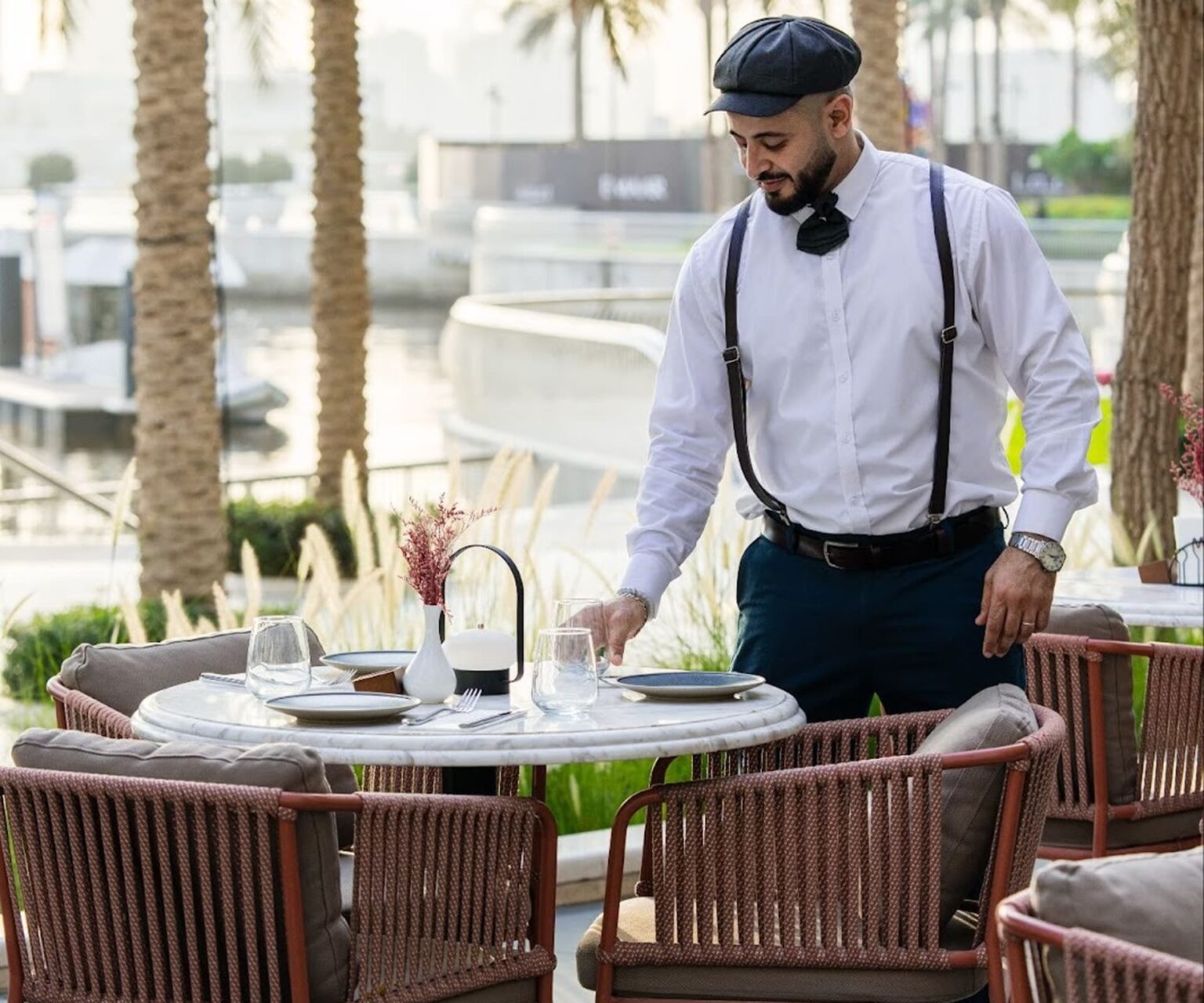
Restaurants that invite you to linger, bring out the tea before you ask, and serve meals with ceremony are often the ones worth returning to.
In a city full of options, what sets great Iranian food apart is not just flavour but feeling. When a restaurant can recreate the warmth of a Persian family gathering, it becomes more than just a meal.
Conclusion
At Le Flaman Rose, Iranian food is more than just a menu; it’s a way of bringing people together. Whether you’re discovering tahdig for the first time or returning for your favourite stew, each dish is prepared to honour tradition and create a memorable experience.
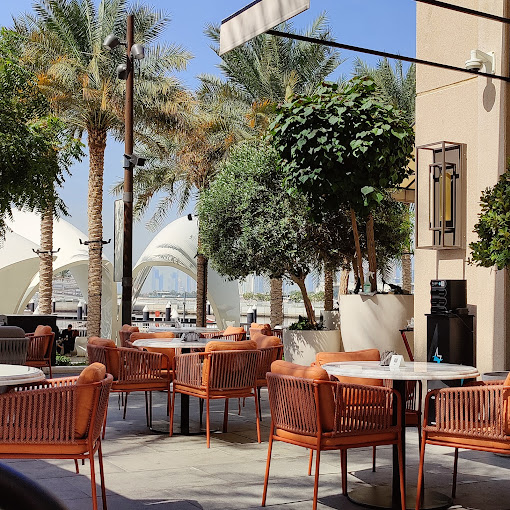
Located at Creek Harbor Residence in Dubai Creek Harbour, the restaurant offers a warm, welcoming space to enjoy authentic Iranian flavours. For reservations or inquiries, you can call +971 54 541 1497.
Book your table today and experience Iranian food in Dubai the way it was meant to be, crafted with care and shared with joy.