
If you’ve ever wondered why Persian food feels so different from anything else you’ve tried, you’re not alone. Whether you’re new to it or grew up around it, there’s something deeply memorable about its flavors, presentation, and the way it brings people together.
In a city like Dubai, where cuisines from every corner of the world are on offer, Persian food holds its ground, not by being bold or flashy, but by being thoughtful, balanced, and rich in culture. And if you’re curious about what makes it special, this guide is the best place to start.
Persian Food and Its Centuries-Old Roots
Persian food carries centuries of heritage, shaped by the landscapes of Iran and its surrounding regions. Unlike many cuisines that build their flavor on extremes like heat, salt, or richness, Persian cuisine is about restraint and harmony. Every dish aims for balance, not dominance.
If you’ve ever tasted ghormeh sabzi or fesenjan, you’ve already seen how herbs, fruit, nuts, and meat come together in layers. These are not trendy inventions; they’re part of a culinary identity that’s lasted for generations.
That’s what makes eating Persian food feel like more than just a meal. It feels like part of a story that continues every time someone prepares one of these dishes.
How Persian Food in Dubai Embraces Authenticity
Dubai is full of restaurants, but not all of them manage to keep tradition intact while serving a global audience. Persian food in Dubai does both.
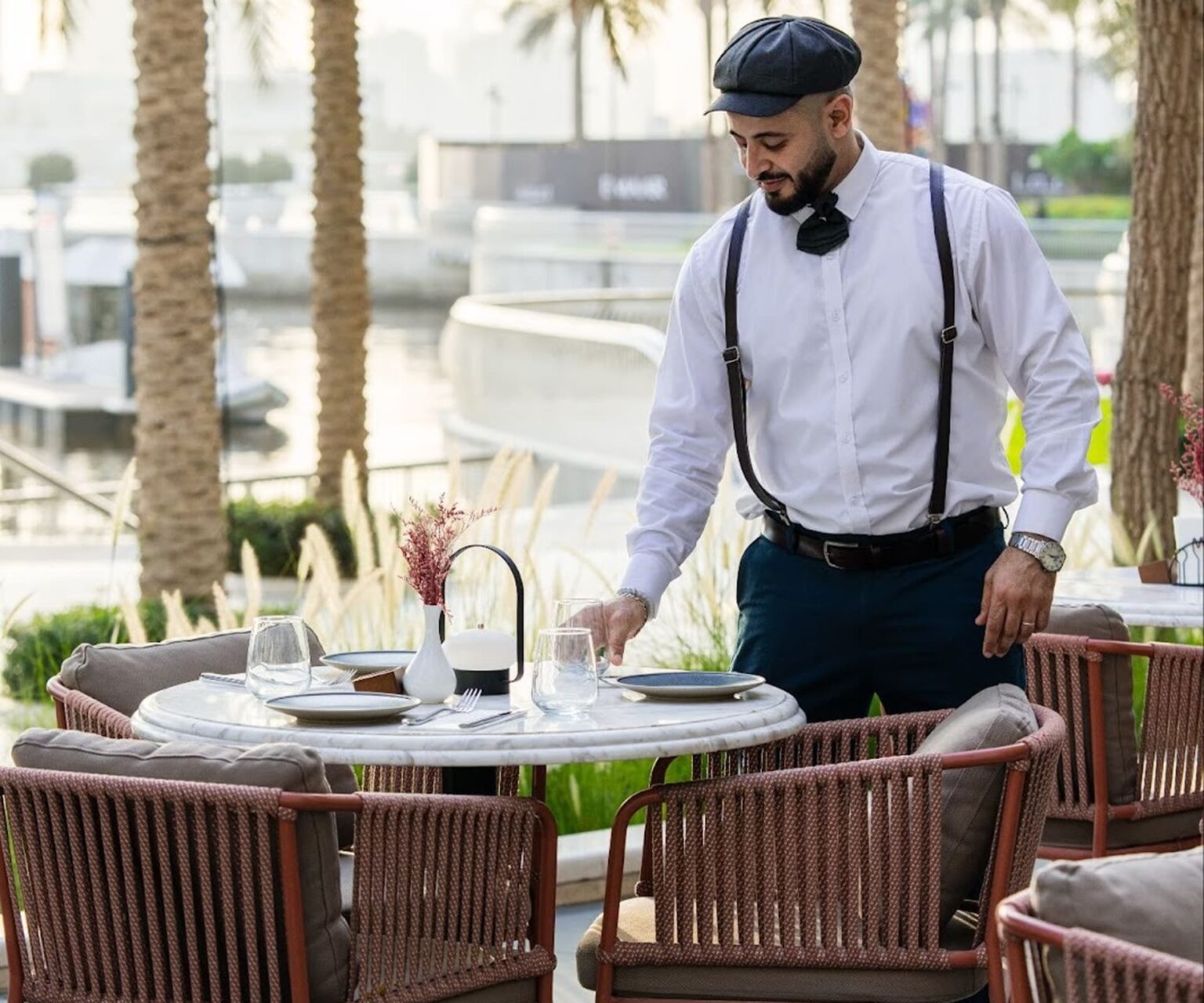
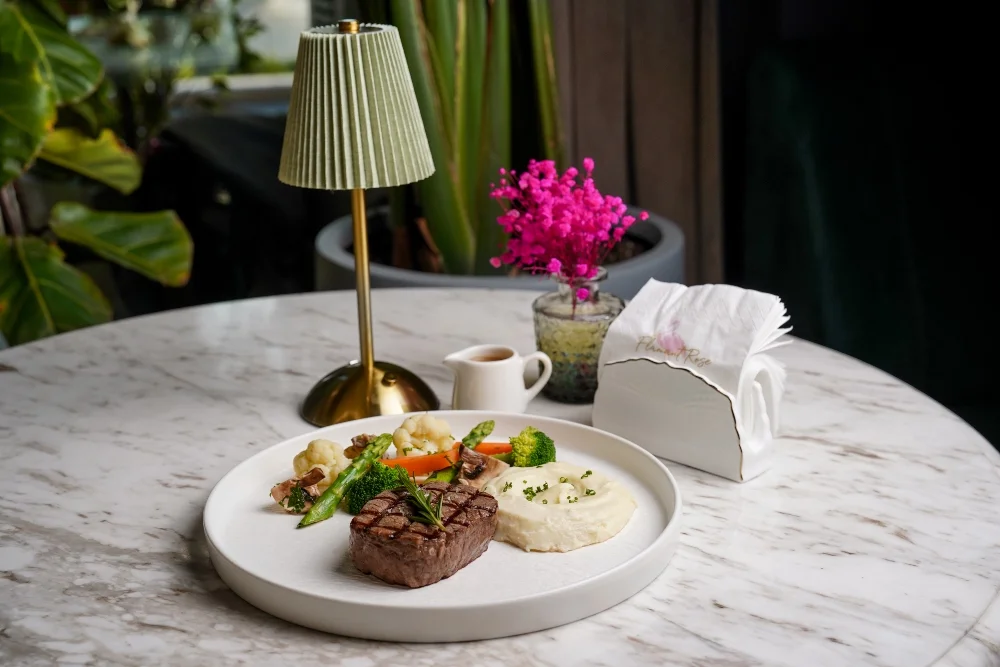
From cozy family-run kitchens to beautifully designed venues like Le Flamant Rose, you’ll find dishes that stay true to their roots without feeling dated. The best Persian food Dubai offers is more than flavorful; it’s deeply personal.
Many chefs here cook the way they were taught at home, focusing on details like how long a stew simmers or how saffron blooms. In a fast-paced dining scene, this level of care makes a difference you can taste.
The Ingredients That Define Persian Food Recipes
You don’t need a complicated spice cabinet to make Persian food. What you do need is quality, patience, and an understanding of how flavors build over time. Persian food recipes rely on ingredients like saffron, dried limes, turmeric, cinnamon, and rosewater, but never all at once.
Herbs are used by the handful, not the pinch. Meat is slow-cooked, not seared quickly. Rice is rinsed and steamed with care until it’s fluffy and fragrant, with a crispy golden tahdig as the prized finish. The result is a kind of cooking that respects every component on the plate.
And if you’ve looked up Persian food names while dining out, you’ll notice they often describe more than ingredients. They refer to the style of cooking, the season, or even the occasion for which the dish is made. That’s part of what makes it so memorable; every name carries meaning.
Dining Traditions That Set Persian Food Apart
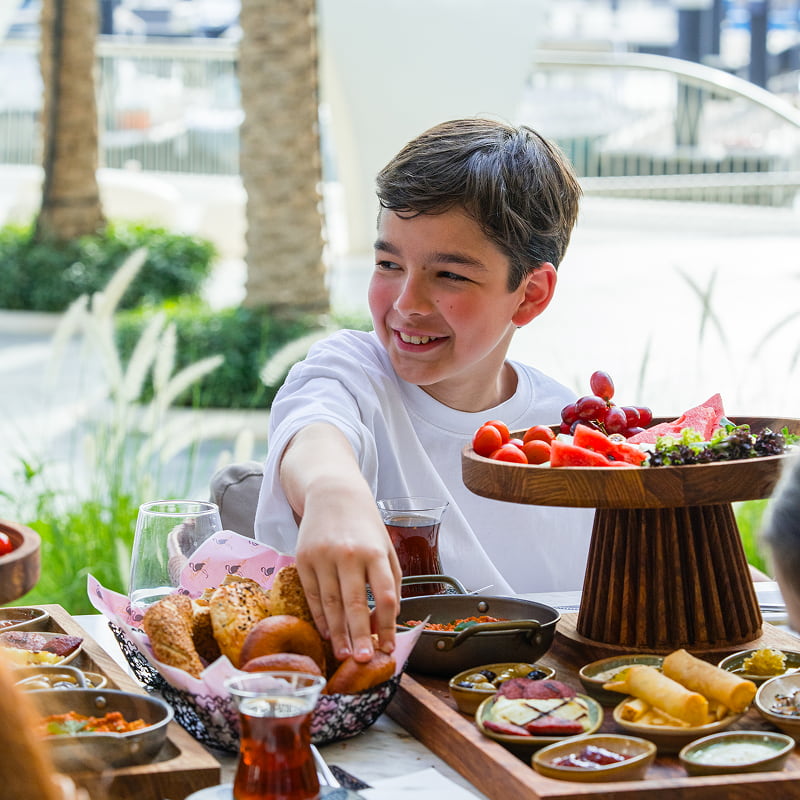
Eating Persian food isn’t just about the food itself. It’s about how it’s served, who you’re sharing it with, and how long you sit at the table. In Iranian culture, meals are rarely rushed. Instead, they stretch out, sometimes for hours, especially when there’s good company and tea nearby.
At the start of the meal, you’ll often find fresh herbs, feta cheese, walnuts, and warm bread on the table. These aren’t appetizers. They’re a welcoming gesture. Main courses are shared, not divided. And after everything’s been cleared away, tea is poured and the conversation continues.
Dining this way reminds you that food isn’t just fuel, but also part of how people connect. When you experience Persian food in Dubai, especially in settings that honor these traditions, it’s clear that the meal is just as much about the people as the flavors.
Why Rice Deserves the Spotlight in Persian Cuisine
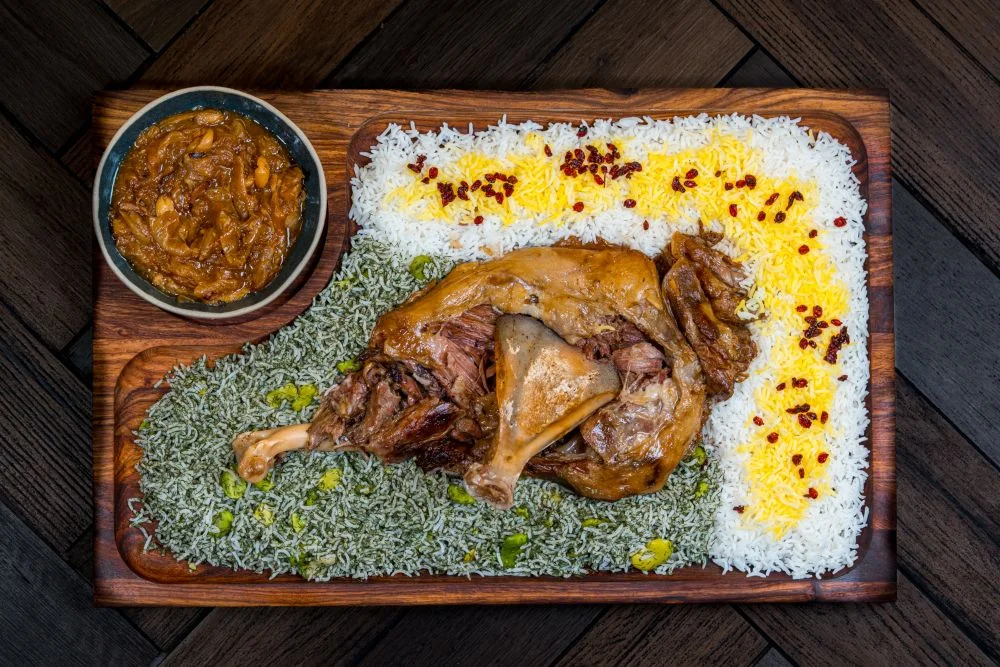
Rice is a focal point in Persian cuisine. And it’s treated with the respect it deserves. If you’ve had sabzi polo or zereshk polo before, you’ve probably noticed how much attention goes into the color, aroma, and even the crust. This is food that doesn’t rush.
At many restaurants serving Persian food in Dubai, rice is often the first thing that grabs your attention. The grains are long and separate, the saffron is rich but not overwhelming, and the crispy bottom layer (tahdig) is a reward for those who know how to ask for it.
The precision involved in Persian rice-making speaks volumes. It shows that even the most basic part of a meal can be elevated through care and tradition. It is also the perfect pairing alongside kebab and some grilled vegetables.
The Balance of Sweetness in Traditional Persian Dishes
If you’re expecting heavy desserts after a Persian meal, you might be surprised. Persian cuisine leans toward lighter endings, such as aromatic saffron rice pudding, delicate pastries with rosewater, or even just fresh fruit. Sweetness isn’t an overload; it’s a final note in a balanced composition.
Drinks like sharbat, made with herbs and syrup, are designed to refresh rather than fill. Even halva or bamieh, though rich, are served in small portions that invite savoring rather than indulging.
This gentle approach to dessert reflects a broader philosophy in Persian food: every element should complement the others. Nothing is meant to overpower, only to add.
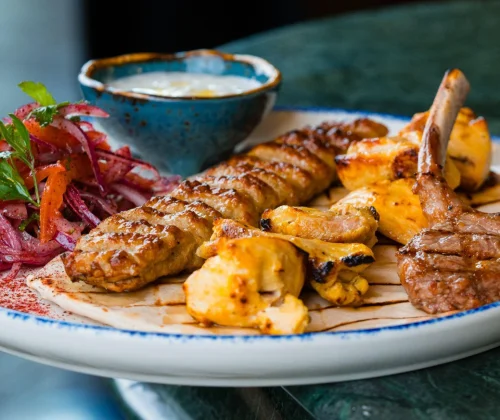
Persian Food in Dubai Offers a Taste of Something Lasting
In a city full of novelty and fast-changing food trends, Persian cuisine stands out for its consistency. It’s not trying to impress with tricks or shortcuts. It’s about lasting impact, about food that stays in your memory not because it was flashy, but because it was real.
If you’ve been looking for something different that connects tradition, comfort, and flavor in one experience, Persian food in Dubai is a journey worth taking.
Conclusion
Ready to experience Persian food in Dubai in a setting that values tradition and atmosphere? Book your table at Le Flaman Rose. Located in the heart of Dubai Creek Harbour, our restaurant offers a thoughtfully curated Persian menu in a waterfront space that feels both elegant and relaxed.
You can reserve your spot by calling +971 54 541 1497 or emailing admin@leflamantrose.ae. We’re located at Creek Harbor Residence – North Tower 1 – Dubai Creek Harbour – Dubai – United Arab Emirates. Whether it’s your first taste or a return to familiar flavors, we look forward to welcoming you.